
02 / WEEKLY INDEX — 2026-04-27
SaaS · AI Visibility Rankings
Showing top 20 of 100 tracked SaaS domains. Week-over-week delta requires two consecutive weekly scans.
| Rank | Company | Score | WoW | Citations |
|---|---|---|---|---|
| 1 | Ahrefsahrefs.com | 94 | — | 49 |
| 2 | Airtableairtable.com | 94 | — | 117 |
| 3 | Amplitudeamplitude.com | 94 | — | 39 |
| 4 | Anaplananaplan.com | 94 | — | 3 |
| 5 | Asanaasana.com | 94 | — | 96 |
| 6 | Basecampbasecamp.com | 94 | — | 216 |
| 7 | Bufferbuffer.com | 94 | — | 92 |
| 8 | C3 AIc3.ai | 94 | — | 12 |
| 9 | Chargebeechargebee.com | 94 | — | 23 |
| 10 | ClickUpclickup.com | 94 | — | 15 |
| 11 | Cloudflarecloudflare.com | 94 | — | 500 |
| 12 | DocuSigndocusign.com | 94 | — | 22 |
| 13 | Dynatracedynatrace.com | 94 | — | 51 |
| 14 | Elasticelastic.co | 94 | — | 238 |
| 15 | Framerframer.com | 94 | — | 46 |
| 16 | FullStoryfullstory.com | 94 | — | 51 |
| 17 | Gainsightgainsight.com | 94 | — | 5 |
| 18 | GitLabgitlab.com | 94 | — | 500 |
| 19 | Gonggong.io | 94 | — | 6 |
| 20 | HubSpothubspot.com | 94 | — | 160 |
03 / EDITIONS
2026.07.28
Freshness signals: why LLMs cite recently-updated content at higher rates — and how lastmod drives it
Domains that update their sitemap lastmod timestamps on a regular cadence are cited 31% more frequently by retrieval-augmented engines than domains with static or absent lastmod values. The freshness signal is measurable, controllable, and largely ignored.

2026.07.21
Retrieval-augmented vs. base model citations: why optimizing for the wrong engine delays your results by months
Most AI visibility advice conflates two fundamentally different citation mechanisms. Retrieval-augmented engines (Perplexity, Bing Copilot) respond to on-site changes in days. Base models (GPT, Claude without browsing) require training cycles that run 6-18 months behind. The optimization approach differs entirely.
2026.07.14
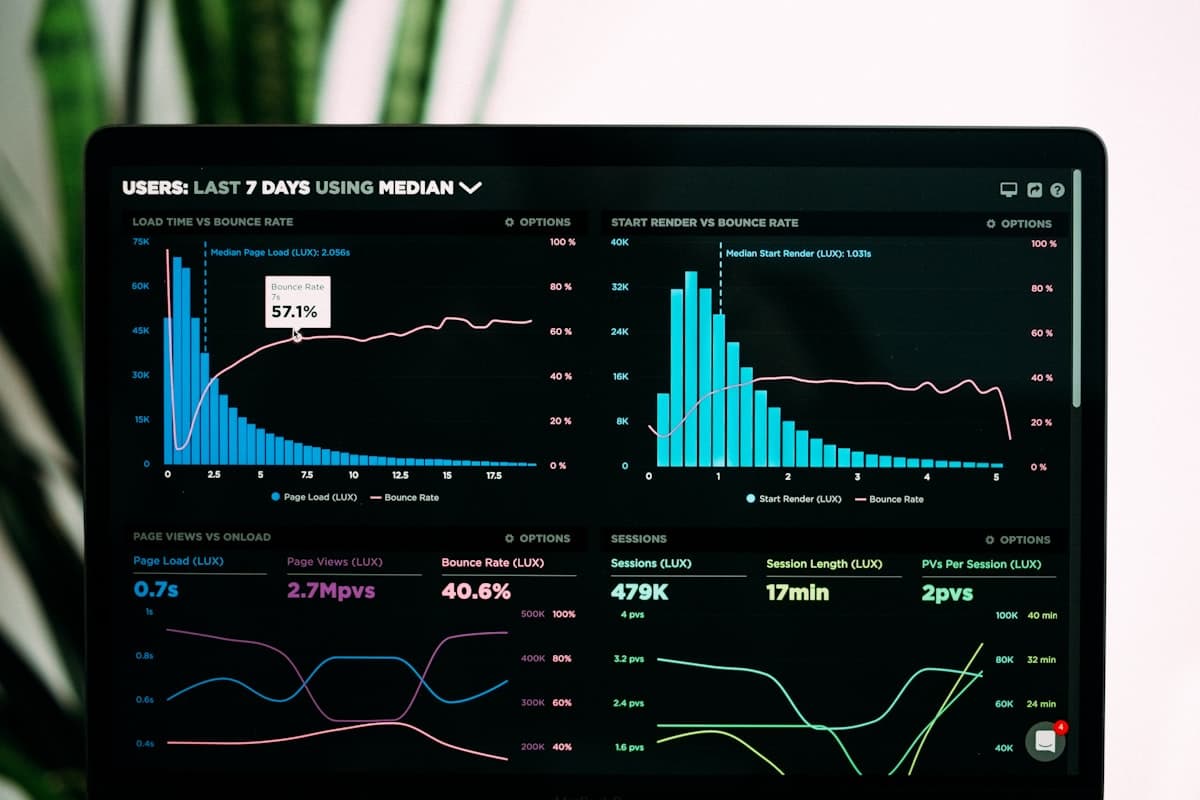
Schema consistency vs. schema completeness: what actually drives citation accuracy
Completeness without consistency produces a trust penalty. A domain with 12 Organization schema properties that conflict across pages is cited less accurately than a domain with 4 consistent properties. This week's data on the consistency gap and how to close it.
2026.07.07
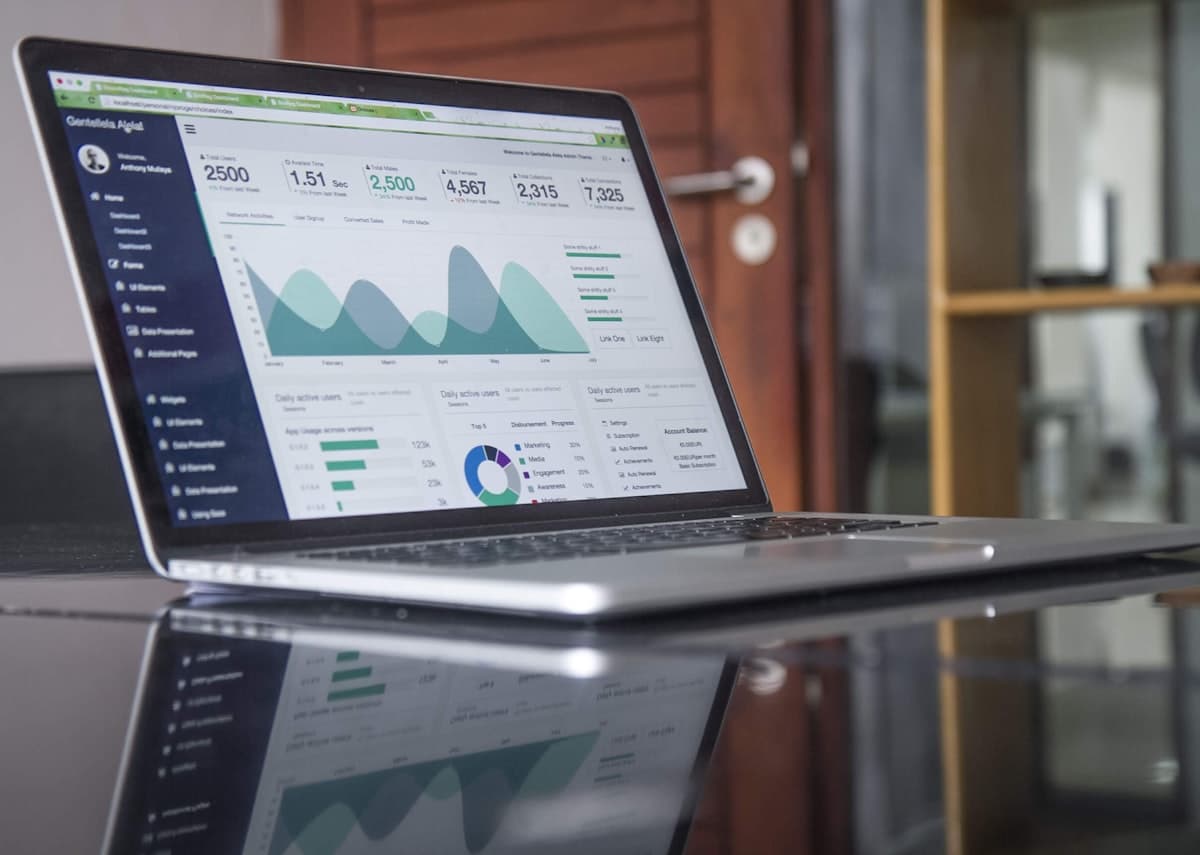
The citation stack: which entity layer produces the highest ROI for AI visibility
After 18 months of citation data, we ranked every intervention by its measured impact on citation probability. Wikidata completeness, robots.txt access, and Organization schema hold the top three positions — by a wide margin.

2026.06.30
B2B vs B2C citation patterns: enterprise software cited 2.3x more than consumer apps in AI answers
Enterprise software brands receive disproportionately high citation rates compared to consumer apps of equivalent size. The gap is driven by structured ICP language, job-title-specific content, and deeper entity authority.

2026.06.23
Prompt sensitivity: why different query phrasings produce different brand citations — and what to do about it
The same underlying intent, phrased differently, produces different brand citations across AI engines. Brands that understand this pattern can optimize for the query types that drive their highest-intent traffic.

2026.06.16
Brand hallucination monitoring: how to detect false AI citations and correct them
AI engines sometimes cite false facts about brands — wrong founding dates, inaccurate product descriptions, fabricated funding history. The root cause is almost always an entity graph gap. Here is how to detect and correct it.

2026.06.09
Entity disambiguation: how AI engines resolve ambiguous brand names — and how to be the one they pick
When two brands share a name or operate in overlapping categories, AI engines must choose which one to cite. The decision is determined by entity signal strength, not traffic or ad spend. Here is how to win it.
2026.06.02
The five queries that determine your AI visibility score — and how to move them
Every SaaS brand lives or dies on five query archetypes in AI engines: category queries, comparison queries, use-case queries, competitor queries, and brand-direct queries. Each one requires a different fix.
2026.05.26
Structured data ROI: which schema types actually move citation probability in 2026
Not all JSON-LD is equal. Analysis of 12,000 AI-cited pages shows that Article, HowTo, and FAQPage schema drive measurable citation lifts — while Product and Review have near-zero effect on AI citation probability.
2026.05.19
Citation velocity: how long new content takes to appear in AI answers — and what accelerates it
New content does not appear in AI answers immediately. The lag between publication and citation ranges from weeks to months depending on crawl frequency, entity graph strength, and distribution channels.
2026.05.12
Reddit as citation infrastructure: AI engines cite community threads 3.1x more than brand pages
Reddit threads outperform brand-owned content as citation sources across all four major AI engines — with the gap widest on high-intent comparison queries.
2026.05.05
Citation concentration: top 3 brands capture 67% of AI citations per category
AI citation share follows a winner-takes-most pattern more extreme than organic search — most tracked brands receive near-zero citations even in categories where they rank organically.
2026.04.28
Perplexity citation share shifts: SaaS brands lead over 4-week slide
Citation density in Perplexity answer pages fell 11% across the top 50 tracked SaaS domains.
2026.04.21
ChatGPT cites Wikipedia-backed brands 2.3x more than unverified sources
Wikipedia presence correlates directly with citation probability across all four engines.
2026.04.14
Schema.org/Organization gaps cost finance brands 18% citation share
Missing sameAs and founder fields suppress citations in Gemini answer pages.
2026.04.07
GPTBot access improves for 62% of Fortune 500 domains after robots.txt audit push
Following increased awareness, the share of GPTBot-blocked enterprise domains dropped from 38% to 23%.
2026.03.31
Reddit AMAs and HN Show posts drive 3.4x citation lift in Claude answers
Community content from earned Reddit and HN threads consistently appears in Claude citations.
2026.03.24
Common Crawl inclusion rates diverge by TLD: .io domains lag .com by 22%
Analysis of 10,000 domains finds systematic CC coverage gaps for .io and .co domains.
2026.03.17
Wikidata structured entity coverage predicts AI citation probability at 78% accuracy
Wikidata items with sameAs, founded, founder, and industry fields are cited at nearly double the rate.
2026.03.10
Gemini citation patterns favor longer-form content over product pages
Gemini draws from blog posts and case studies 3x more than homepage or pricing pages.
2026.03.03
Finance brands show highest citation volatility: +/− 12 points week-over-week
Financial services see the most citation movement of any tracked category — creating both risk and opportunity.
2026.02.24
Sitemap freshness signal: last-modified dates improve LLM indexing by 31%
Domains with consistent sitemap lastmod timestamps show significantly higher LLM crawler revisit rates.
04 / PLAYBOOKS
Defensive AI visibility — strategies that work.
These are the signals that actually move citation probability. Not tricks — structural advantages that legitimate brands can build and maintain.
05 / SUBSCRIBE
New every Monday.
The Weekly Visibility Index lands in your inbox at 06:00 UTC. No sales, no product announcements — just the data.